The preferred option depends on the motion cycle, electrical controls and mechanical interface rather than one attractive product statistic. The example is a low-speed compact rotary table, with the specific goal to trade required ratio against length losses and permissible output torque. This makes planetary stage count, total ratio and mechanical efficiency especially relevant. We examine mechanical load, electrical control and measurable acceptance evidence while guarding against the case where more stages are treated as a free source of unlimited torque.
01. Understand why stages are added
A single planetary set offers a finite practical ratio range; cascading sets creates much larger total reduction. For the low-speed compact rotary table, sketch the motion path before looking at a product list. Mark the moving mass, friction points, external forces and positions where the mechanism can bind. Identify what happens just before motion starts and just after it ends. Those events often matter more than a nominal motor-power label when the goal is to trade required ratio against length losses and permissible output torque.
02. Multiply ratios but not efficiency
Total ratio is the product of individual stage ratios, while overall mechanical efficiency is the product of stage efficiencies at the relevant operating point. Define an instrumented check that another engineer can repeat on the low-speed compact rotary table: use an output tachometer, calibrated sensor or independent position gauge to observe actual output displacement, time and direction, capture operating conditions and report uncertainty where it matters. The intended motion should be present during the trial. This approach can reveal a voltage-drop, alignment or loading issue that a free-running demonstration does not show.

03. Account for packaging length
Additional stages generally add components and axial length, although different integrated gearheads may have distinct packaging choices. At this point distinguish the requirement from the supplier rating. The low-speed compact rotary table needs the objective to trade required ratio against length losses and permissible output torque, but a motor-side number is not automatically a gearbox-output number. Account for the speed reduction and the actual load path. Use stage-specific gearhead thermal and torque data as the basis for comparing the proposed integrated gearmotor with the calculated machine demand.
04. Check loaded output speed
A very high ratio can drive output rpm too low for process throughput; motor speed and controller behavior still matter. Assess transient loading on the low-speed compact rotary table independently from the steady load. Momentum, breakaway friction and drive commands may create short peaks whose frequency determines the resulting heat and fatigue. The hazard to check is that more stages are treated as a free source of unlimited torque. Set current limits and stopping rules before any representative overload investigation.
05. Avoid over-interpreting torque multiplication
Higher ratios increase theoretical torque from a motor but the smallest gear, carrier, bearing or housing rating still limits permissible output. Mechanical integration is a separate qualification item on the low-speed compact rotary table. Verify mounting pilot, flange seating, output-shaft support and strain relief before testing full load. A side load on the output bearing or an unaligned rigid coupling can change current and sound without any fault inside the motor. Inspect the final assembly drawing rather than relying on a catalog photograph.
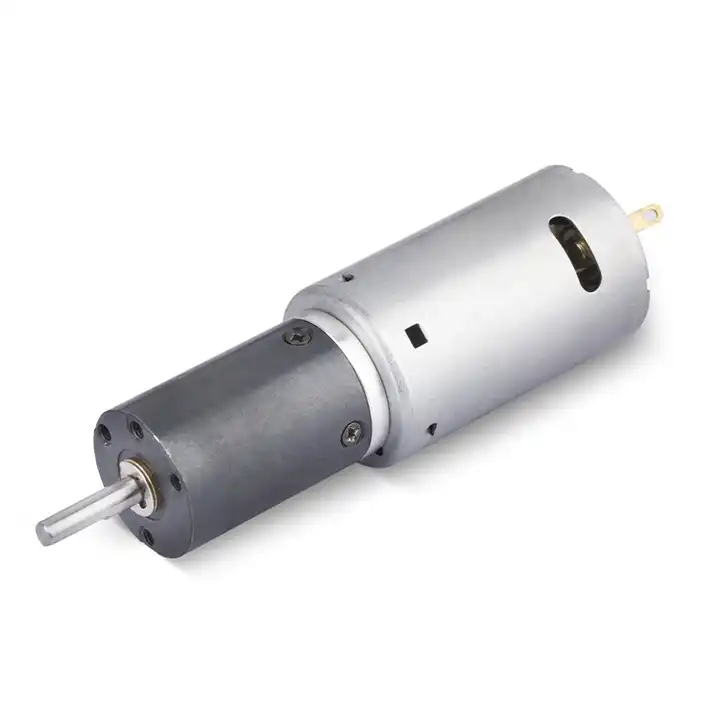
The design topic Avoid over-interpreting torque multiplication also raises a question about the reduction unit used with the low-speed compact rotary table. For an overview of alternative arrangements, explore planetary reduction solutions. Reducer-only information must still be checked against the motor, driver and exact gearbox configuration considered for this application.
06. Review heat and grease churning
More meshes and higher input speeds create losses; actual lubricant and gearhead design determine temperature rise. A practical test plan for the low-speed compact rotary table specifies payload, mounting orientation, supply range and command timing before any result is recorded. Collect cycle duration, case temperature and surrounding air temperature by a repeatable duty-cycle test with temperature logging. After the initial functional run, repeat under the least favorable expected normal load. This provides evidence that can be compared with the proposed drive rating and with future incoming parts.
07. Check reversing feel and stiffness
Multi-stage assemblies can accumulate lost motion and elastic windup; precision selection needs measured backlash and torsional data. When the low-speed compact rotary table shows signs of a change in sound or free movement after installation, investigate before escalating the motor rating. Check whether the applied load, controller protection or shaft alignment has changed. One controlled change at a time reveals the likely cause more reliably than replacing several parts together. The engineering record should preserve the first abnormal measurement and the corrective action.
- Confirm the measurement basis for check reversing feel and stiffness, including instrument location and units.
- Record the normal and limiting operating states of the low-speed compact rotary table.
- Compare the observed planetary stage count, total ratio and mechanical efficiency with verified assembly documentation before approving this configuration.
08. Compare on the required mechanism
Set torque, speed, duty and envelope first, then request exact stage/range options from a supported catalogue. Finish with a decision that can be checked on the low-speed compact rotary table. The selected assembly must trade required ratio against length losses and permissible output torque with the intended supply, installed load and duty pattern. Keep the approved interface drawing and stage-specific gearhead thermal and torque data alongside the test results. If a future machine revision alters those conditions, requalify the motor-and-reducer combination rather than assuming the earlier approval still applies.
09. Numerical screening for low-speed compact rotary table
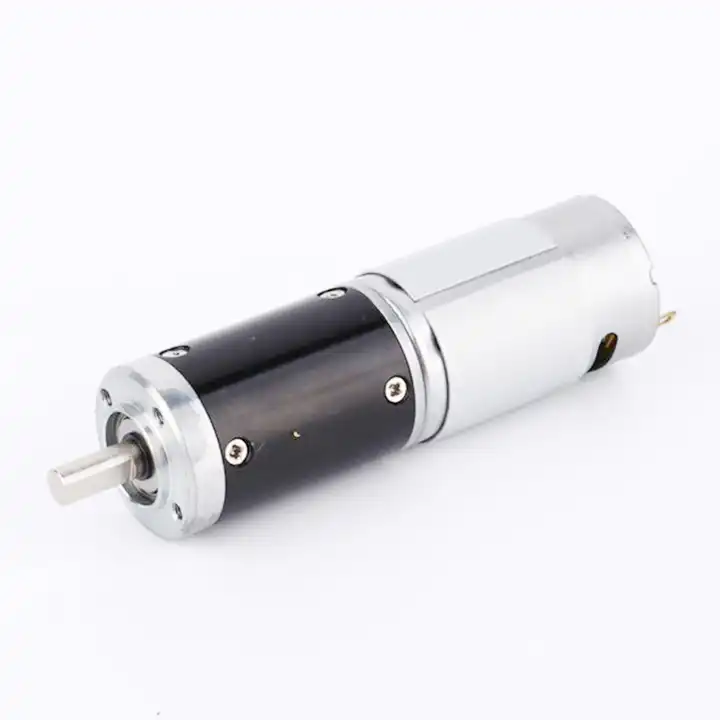
A worked example helps expose hidden assumptions in low-speed compact rotary table drive decisions. Suppose a motor actually runs at 2,400 rpm under the relevant load and the required output is 80 rpm. The initial ratio is 2,400 / 80 = 30:1. The chosen assembled ratio may differ, so the achieved loaded speed must be checked again. Translate that calculation into a practical check of planetary stage count, total ratio and mechanical efficiency. The result supports initial screening only; stage-specific gearhead thermal and torque data is still needed for a verified assembly.
10. Verification procedure: planetary stage count, total ratio and mechanical efficiency
A repeatable functional check for low-speed compact rotary table should specify orientation, installed payload, bus supply and software revision. Observe planetary stage count, total ratio and mechanical efficiency during movement and dwell. Evaluate stage-specific gearhead thermal and torque data in the same conditions; a mismatch that suggests more stages are treated as a free source of unlimited torque is a recorded engineering finding, not a minor cosmetic difference.
| Engineering checkpoint | Observation for low-speed compact rotary table | Approval implication |
|---|---|---|
| Machine duty | planetary stage count, total ratio and mechanical efficiency | Keep the measured conditions of low-speed compact rotary table comparable |
| Output interface | Mounting and wiring of the low-speed compact rotary table | Check avoid over-interpreting torque multiplication against the drawing |
| Evidence basis | stage-specific gearhead thermal and torque data | Confirms trade required ratio against length losses and permissible output torque |
| Escalation trigger | more stages are treated as a free source of unlimited torque | Stop for review if the low-speed compact rotary table behaves outside limits |
11. What to specify when quoting this comparison task
When requesting a design review for low-speed compact rotary table, state the requirement to trade required ratio against length losses and permissible output torque in machine terms. Include drawings, shaft fit, mounting envelope, driver wiring and the expected operating cycle. Attach planetary stage count, total ratio and mechanical efficiency from the current prototype when available, then request stage-specific gearhead thermal and torque data for the proposed full motor-and-gearbox combination.
- State the device and target: low-speed compact rotary table; trade required ratio against length losses and permissible output torque.
- Include locating pilot, shaft and flange tolerances for the low-speed compact rotary table installation.
- Identify voltage and feedback needed for the low-speed compact rotary table, including motor-driver protections.
- Connect planetary stage count, total ratio and mechanical efficiency to peak and continuous load cases and relevant cycle timing.
- Record installation constraints for the low-speed compact rotary table and the planned acceptance method.
- Confirm stage-specific gearhead thermal and torque data before release of the exact motor-reducer option.
12. Release decision for low-speed compact rotary table
Final acceptance of a low-speed compact rotary table drive is a traceable engineering decision, not an impression about compactness. The record should identify planetary stage count, total ratio and mechanical efficiency, the selected component revision and stage-specific gearhead thermal and torque data. A change affecting the goal to trade required ratio against length losses and permissible output torque reopens the mechanical and electrical checks.
Questions raised by low-speed compact rotary table applications
Why is understand why stages are added important for this application?
A single planetary set offers a finite practical ratio range; cascading sets creates much larger total reduction. In the low-speed compact rotary table, the review should link that condition to planetary stage count, total ratio and mechanical efficiency before a motor is selected.
What mistake should be avoided when considering check loaded output speed?
A very high ratio can drive output rpm too low for process throughput; motor speed and controller behavior still matter. A failure to document the issue may lead to the situation where more stages are treated as a free source of unlimited torque.
How should check reversing feel and stiffness be checked?
Multi-stage assemblies can accumulate lost motion and elastic windup; precision selection needs measured backlash and torsional data. Collect evidence during the intended movement of the low-speed compact rotary table, not only while the output runs freely.
What records verify the low-speed compact rotary table drive configuration?
Provide the machine drawing, motor control requirements, planetary stage count, total ratio and mechanical efficiency and stage-specific gearhead thermal and torque data. Explain the application goal: trade required ratio against length losses and permissible output torque.
To discuss trade required ratio against length losses and permissible output torque on a low-speed compact rotary table, send the measurement summary and interface drawing to продажі@planetarymotors.top. Include the planetary stage count, total ratio and mechanical efficiency so the motor and reduction unit can be assessed together.