A compact gearhead may need little routine intervention, but that does not remove the need for condition monitoring. The example is an industrial positioning actuator, with the specific goal to set an evidence-based care plan without opening sealed gearheads unnecessarily. This makes operating temperature, accumulated service hours, vibration and lubricant leakage especially relevant. We examine mechanical load, electrical control and measurable acceptance evidence while guarding against the case where unapproved grease contaminates the original lubricant and seals.
01. Determine whether the gearhead is sealed
Many compact assemblies arrive filled for an intended life and may not have a user-serviceable port; do not assume every unit needs periodic grease addition. Treat the mechanism as a sequence of states, not a single rated speed. With the industrial positioning actuator, list the driven load, resistance at rest, available travel, and any gravity or process force. A suitable planetary gearmotor must serve the complete sequence. Only after that description is agreed should the target to set an evidence-based care plan without opening sealed gearheads unnecessarily be translated into electrical and mechanical specifications.
02. Identify lubricant compatibility
Grease base oil, thickener and additives can be incompatible; changing lubricant requires a model-specific recommendation. A useful engineering test captures requested duty, mechanical clearance and operating condition at the point where the requirement is applied. Use a controlled fixture and a signed dimensional inspection and describe where the instrument is located. The industrial positioning actuator should be tested with its normal load attached. If a measured value differs from the initial calculation, reconcile the load model before treating that difference as a motor defect.

03. Connect maintenance to operating duty
Repeated high-speed cycles, high ambient heat and contamination exposure change the monitoring burden compared with light intermittent service. This step determines whether the suggested gearmotor can do the required job, not just whether it looks compact enough. On the industrial positioning actuator, compare the worst normal load with the available output rating after permitted losses. The objective remains to set an evidence-based care plan without opening sealed gearheads unnecessarily. Request manufacturer lubrication schedule and inspection record before treating a preliminary calculation as an approved component limit.
04. Watch for leaks and seal condition
Residue at the shaft can signal damage, overfilling or another issue; note quantity and location before cleaning the evidence away. Assess transient loading on the industrial positioning actuator independently from the steady load. Momentum, breakaway friction and drive commands may create short peaks whose frequency determines the resulting heat and fatigue. The hazard to check is that unapproved grease contaminates the original lubricant and seals. Set current limits and stopping rules before any representative overload investigation.
05. Monitor torque and current trends
A rising current at unchanged mechanical load can reveal increasing friction; collect a clean baseline immediately after installation. Inspect the interface that connects the industrial positioning actuator to the gearmotor. Centering surfaces, bearing supports and connector clearance should correspond to the released drawing. Excessive coupling offset can load the output shaft even when calculated torque appears acceptable. Confirm the installed arrangement before changing the controller to compensate for unexpected behavior.

The design topic Monitor torque and current trends also raises a question about the reduction unit used with the industrial positioning actuator. For an overview of alternative arrangements, explore planetary gear reducer product overview. Reducer-only information must still be checked against the motor, driver and exact gearbox configuration considered for this application.
06. Inspect mounting and shaft load
Loosened fasteners, pulley tension and misalignment can shorten bearing life even with acceptable lubrication. The test record should explain what was connected and what was commanded on the industrial positioning actuator. Instrument load torque, support reaction and operating speed using a torque instrument or a documented force-and-radius calculation, then compare repeated trials at equivalent load and environmental conditions. If the reading drifts, investigate heat, drag and controller settings before selecting a replacement component. A reproducible result is worth more than an optimistic peak figure.
07. Treat noise changes as diagnostic cues
New clicking or roughness is a reason to investigate, not proof that more grease will solve a damaged gear or bearing. Create a stop-and-review rule for the industrial positioning actuator that covers a change in sound or free movement after installation. Abnormal current, sound or motion requires isolating electrical causes from friction and mechanical damage. Preserve the measurement trace and inspect the interface; a stronger motor may conceal the symptom while exposing the gears or output bearings to higher force.
- Confirm the measurement basis for treat noise changes as diagnostic cues, including instrument location and units.
- Record the normal and limiting operating states of the industrial positioning actuator.
- Compare the observed operating temperature, accumulated service hours, vibration and lubricant leakage with verified assembly documentation before approving this configuration.
08. Plan replacement and traceability
Record running hours, cycles, ambient conditions and serial or lot references; service decisions should be based on trend and inspection results. Close the engineering review by linking observed machine behavior to documented component limits. The industrial positioning actuator must set an evidence-based care plan without opening sealed gearheads unnecessarily without exceeding the ratings of its motor, gearhead or mechanical interfaces. Keep manufacturer lubrication schedule and inspection record with the relevant test report. Reopen the decision when the duty profile, applied load or wiring is changed.
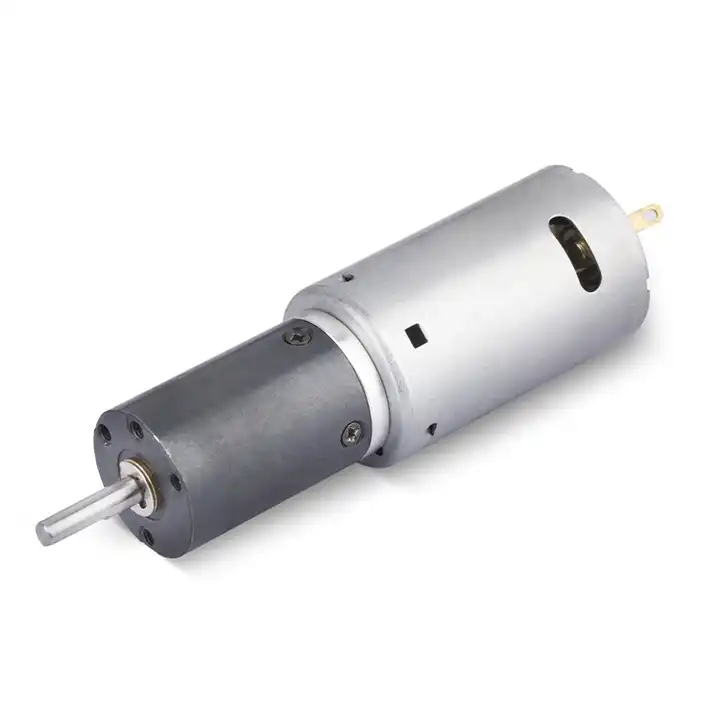
09. Numerical screening for industrial positioning actuator
Consider an industrial positioning actuator where the design task is to set an evidence-based care plan without opening sealed gearheads unnecessarily. Imagine the selected mechanism repeats a four-second movement followed by a six-second dwell. A basic test can log output displacement, peak current and housing temperature for each ten-second cycle. This example defines a test method, not a product performance claim. After the arithmetic, mark the assumed quantities separately from operating temperature, accumulated service hours, vibration and lubricant leakage. A purchase specification should state which of those quantities came from machine measurements and which need confirmation through manufacturer lubrication schedule and inspection record.
10. Verification procedure: operating temperature, accumulated service hours, vibration and lubricant leakage
The acceptance procedure for industrial positioning actuator should begin with a configuration photograph, the wiring diagram and a measured mechanical baseline. Run the motion cycle while collecting operating temperature, accumulated service hours, vibration and lubricant leakage; retest after a representative warm period. Preserve evidence corresponding to manufacturer lubrication schedule and inspection record, including deviations associated with unapproved grease contaminates the original lubricant and seals.
| Engineering checkpoint | Observation for industrial positioning actuator | Approval implication |
|---|---|---|
| Machine duty | operating temperature, accumulated service hours, vibration and lubricant leakage | Keep the measured conditions of industrial positioning actuator comparable |
| Output interface | Mounting and wiring of the industrial positioning actuator | Check monitor torque and current trends against the drawing |
| Evidence basis | manufacturer lubrication schedule and inspection record | Confirms set an evidence-based care plan without opening sealed gearheads unnecessarily |
| Escalation trigger | unapproved grease contaminates the original lubricant and seals | Stop for review if the industrial positioning actuator behaves outside limits |
11. What to specify when quoting this maintenance task
To quote a geared motor for industrial positioning actuator, define what motion is required, how much load changes and how often it starts. State the objective to set an evidence-based care plan without opening sealed gearheads unnecessarily, document operating temperature, accumulated service hours, vibration and lubricant leakage, and provide connection and output-shaft details. Treat manufacturer lubrication schedule and inspection record as a request for verifiable support rather than an assumed attribute.
- State the device and target: industrial positioning actuator; set an evidence-based care plan without opening sealed gearheads unnecessarily.
- Include locating pilot, shaft and flange tolerances for the industrial positioning actuator installation.
- Identify voltage and feedback needed for the industrial positioning actuator, including motor-driver protections.
- Connect operating temperature, accumulated service hours, vibration and lubricant leakage to peak and continuous load cases and relevant cycle timing.
- Record installation constraints for the industrial positioning actuator and the planned acceptance method.
- Confirm manufacturer lubrication schedule and inspection record before release of the exact motor-reducer option.
12. Release decision for industrial positioning actuator
For industrial positioning actuator, approving a gearmotor means showing evidence that it can set an evidence-based care plan without opening sealed gearheads unnecessarily. Retain operating temperature, accumulated service hours, vibration and lubricant leakage and manufacturer lubrication schedule and inspection record with the exact mounting and controller configuration. A later change in the machine that creates the condition where unapproved grease contaminates the original lubricant and seals invalidates the original acceptance assumption.
Questions raised by industrial positioning actuator applications
Why is determine whether the gearhead is sealed important for this application?
Many compact assemblies arrive filled for an intended life and may not have a user-serviceable port; do not assume every unit needs periodic grease addition. In the industrial positioning actuator, the review should link that condition to operating temperature, accumulated service hours, vibration and lubricant leakage before a motor is selected.
What mistake should be avoided when considering watch for leaks and seal condition?
Residue at the shaft can signal damage, overfilling or another issue; note quantity and location before cleaning the evidence away. A failure to document the issue may lead to the situation where unapproved grease contaminates the original lubricant and seals.
How should treat noise changes as diagnostic cues be checked?
New clicking or roughness is a reason to investigate, not proof that more grease will solve a damaged gear or bearing. Collect evidence during the intended movement of the industrial positioning actuator, not only while the output runs freely.
What records verify the industrial positioning actuator drive configuration?
Provide the machine drawing, motor control requirements, operating temperature, accumulated service hours, vibration and lubricant leakage and manufacturer lubrication schedule and inspection record. Explain the application goal: set an evidence-based care plan without opening sealed gearheads unnecessarily.
To discuss set an evidence-based care plan without opening sealed gearheads unnecessarily on a industrial positioning actuator, send the measurement summary and interface drawing to sprzedaż@planetarymotors.top. Include the operating temperature, accumulated service hours, vibration and lubricant leakage so the motor and reduction unit can be assessed together.