Applications that seem mechanically simple often combine startup peaks, position demands and restrictive packaging. Consider a short indexing conveyor that must hold positional repeatability while managing repeated starts. Its motor and reduction unit must be treated together with the supporting hardware and controller. The risk that the belt moves acceptably at steady speed but overshoots at each stop frames the checks in this article; roller inertia, payload resistance and acceleration profile are part of the necessary evidence.
01. Express motion as distance and time
Index length, target cycle time and allowed settle time describe the requirement more clearly than motor rpm alone. For the short indexing conveyor, sketch the motion path before looking at a product list. Mark the moving mass, friction points, external forces and positions where the mechanism can bind. Identify what happens just before motion starts and just after it ends. Those events often matter more than a nominal motor-power label when the goal is to hold positional repeatability while managing repeated starts.
02. Translate linear travel to roller rotation
Effective drive diameter and mechanical transmission determine the output revolutions; belt slip may require an independent position reference. Do not blend bench readings with machine readings. The short indexing conveyor has a particular drive installation and mechanical resistance, so measure actual output displacement, time and direction with an output tachometer, calibrated sensor or independent position gauge after the coupling is installed. Note test speed, load and ambient temperature. Compare results to the original expectation and investigate discrepancies before increasing the motor or gearbox size.

03. Build an acceleration-limited profile
A sharp command edge produces peak torque and belt tension; a controlled ramp can reduce load without sacrificing throughput. At this point distinguish the requirement from the supplier rating. The short indexing conveyor needs the objective to hold positional repeatability while managing repeated starts, but a motor-side number is not automatically a gearbox-output number. Account for the speed reduction and the actual load path. Use payload-index accuracy over production cycles as the basis for comparing the proposed integrated gearmotor with the calculated machine demand.
04. Check inertia and load transfer
The effective inertia of pulleys, carried product and belts reaches the motor through the ratio; sizing solely by steady friction is incomplete. Startup, reversal and stopping are not interchangeable with continuous running. On the short indexing conveyor, identify how long each event lasts and how often it repeats. The credible failure scenario is that the belt moves acceptably at steady speed but overshoots at each stop. Put the largest foreseeable transient in a separate line of the duty record; then verify that the controller and reduction stage are both suitable for its duration.
05. Assess holding and rollback behavior
If products can backdrive the conveyor at rest, determine whether motor holding torque or a separate brake is needed. Before the short indexing conveyor is assembled permanently, confirm tolerances and load support at its driven end. Fastening a motor securely does not guarantee that the rotating parts are coaxial. Examine the pilot, shaft fit and any pulley or lever arm, then record baseline current and sound before and after connection. This separates assembly-induced friction from component behavior.
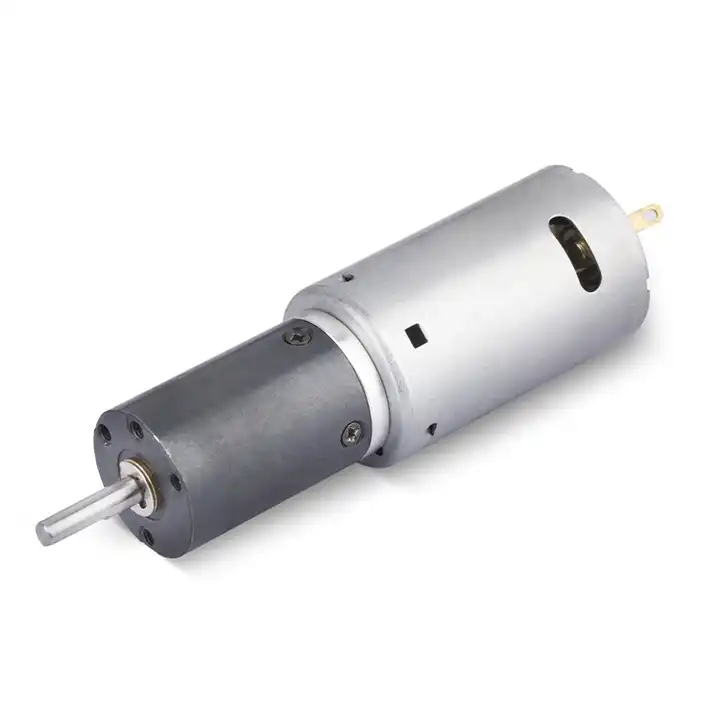
06. Plan sensing and trigger timing
A product sensor, encoder and controller delay combine to affect the final stopping location; test at full line speed. Qualify the proposed drive in the machine configuration that will actually be used. With the short indexing conveyor loaded, observe requested duty, mechanical clearance and operating condition using a controlled fixture and a signed dimensional inspection and retain the operating trace. Repeat the cycle long enough to expose a stable temperature trend where appropriate. The result must be assessed against agreed criteria, not against an informal impression that the motor feels satisfactory.
07. Protect shafts against belt over-tension
Drive pulley pretension adds radial load regardless of the torque transmitted to the belt. Define the conditions that require the short indexing conveyor test to stop. A finding of a shaft load or transient torque outside the approved envelope should trigger a check of shaft support, wiring and the commanded motion profile. Keep the duty and environment unchanged while testing one possible cause at a time. This protects the unit and produces evidence that is useful for engineering or supplier follow-up.
- Confirm the measurement basis for protect shafts against belt over-tension, including instrument location and units.
- Record the normal and limiting operating states of the short indexing conveyor.
- Compare the observed roller inertia, payload resistance and acceleration profile with verified assembly documentation before approving this configuration.
08. Qualify production conditions
Measure position drift, peak current, belt wear and casing temperature through a representative shift, not a few empty cycles. For release on the short indexing conveyor, show evidence that the system can hold positional repeatability while managing repeated starts, including startup and stopping behavior. The approved record should state test conditions and contain payload-index accuracy over production cycles. Archive the motor, reduction unit and controller identification together so that a change of one part is not mistaken for the same qualified assembly.
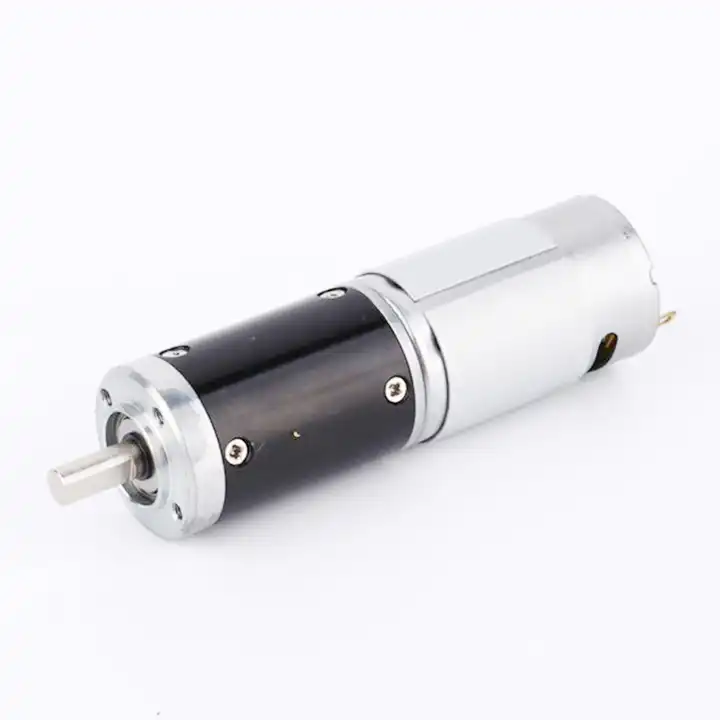
09. Numerical screening for short indexing conveyor
Consider a short indexing conveyor where the design task is to hold positional repeatability while managing repeated starts. Imagine the selected mechanism repeats a four-second movement followed by a six-second dwell. A basic test can log output displacement, peak current and housing temperature for each ten-second cycle. This example defines a test method, not a product performance claim. After the arithmetic, mark the assumed quantities separately from roller inertia, payload resistance and acceleration profile. A purchase specification should state which of those quantities came from machine measurements and which need confirmation through payload-index accuracy over production cycles.
10. Verification procedure: roller inertia, payload resistance and acceleration profile
The acceptance procedure for short indexing conveyor should begin with a configuration photograph, the wiring diagram and a measured mechanical baseline. Run the motion cycle while collecting roller inertia, payload resistance and acceleration profile; retest after a representative warm period. Preserve evidence corresponding to payload-index accuracy over production cycles, including deviations associated with the belt moves acceptably at steady speed but overshoots at each stop.
| Engineering checkpoint | Observation for short indexing conveyor | Approval implication |
|---|---|---|
| Machine duty | roller inertia, payload resistance and acceleration profile | Keep the measured conditions of short indexing conveyor comparable |
| Output interface | Mounting and wiring of the short indexing conveyor | Check assess holding and rollback behavior against the drawing |
| Evidence basis | payload-index accuracy over production cycles | Confirms hold positional repeatability while managing repeated starts |
| Escalation trigger | the belt moves acceptably at steady speed but overshoots at each stop | Stop for review if the short indexing conveyor behaves outside limits |
11. What to specify when quoting this application task
To quote a geared motor for short indexing conveyor, define what motion is required, how much load changes and how often it starts. State the objective to hold positional repeatability while managing repeated starts, document roller inertia, payload resistance and acceleration profile, and provide connection and output-shaft details. Treat payload-index accuracy over production cycles as a request for verifiable support rather than an assumed attribute.
- State the device and target: short indexing conveyor; hold positional repeatability while managing repeated starts.
- Include locating pilot, shaft and flange tolerances for the short indexing conveyor installation.
- Identify voltage and feedback needed for the short indexing conveyor, including motor-driver protections.
- Connect roller inertia, payload resistance and acceleration profile to peak and continuous load cases and relevant cycle timing.
- Record installation constraints for the short indexing conveyor and the planned acceptance method.
- Confirm payload-index accuracy over production cycles before release of the exact motor-reducer option.
12. Release decision for short indexing conveyor
For short indexing conveyor, approving a gearmotor means showing evidence that it can hold positional repeatability while managing repeated starts. Retain roller inertia, payload resistance and acceleration profile and payload-index accuracy over production cycles with the exact mounting and controller configuration. A later change in the machine that creates the condition where the belt moves acceptably at steady speed but overshoots at each stop invalidates the original acceptance assumption.
Questions raised by short indexing conveyor applications
Why is express motion as distance and time important for this application?
Index length, target cycle time and allowed settle time describe the requirement more clearly than motor rpm alone. In the short indexing conveyor, the review should link that condition to roller inertia, payload resistance and acceleration profile before a motor is selected.
What mistake should be avoided when considering check inertia and load transfer?
The effective inertia of pulleys, carried product and belts reaches the motor through the ratio; sizing solely by steady friction is incomplete. A failure to document the issue may lead to the situation where the belt moves acceptably at steady speed but overshoots at each stop.
How should protect shafts against belt over-tension be checked?
Drive pulley pretension adds radial load regardless of the torque transmitted to the belt. Collect evidence during the intended movement of the short indexing conveyor, not only while the output runs freely.
What records verify the short indexing conveyor drive configuration?
Provide the machine drawing, motor control requirements, roller inertia, payload resistance and acceleration profile and payload-index accuracy over production cycles. Explain the application goal: hold positional repeatability while managing repeated starts.
To discuss hold positional repeatability while managing repeated starts on a short indexing conveyor, send the measurement summary and interface drawing to [email protected]. Include the roller inertia, payload resistance and acceleration profile so the motor and reduction unit can be assessed together.